


Beyond Aesthetics: The Logic of SaaS Product Design
Many founders approach design as a "finishing touch"—something to make a functional product look "premium." But in the world of SaaS and Enterprise software, aesthetics are secondary to logic. If a platform is beautiful but slow to navigate, it’s a failed design.
At Plexable, we believe great product design isn’t about adding elements; it’s about removing friction.
The Trap of Visual-First Design
In high-growth software, the "Dribbble-ification" of UI has created a trend of over-designed interfaces that look great in a portfolio but fail in production.
The Problem: Over-reliance on white space that forces enterprise users to scroll endlessly.
The Reality: Power users in SaaS don't want "clean" if it means "hidden." They want density, clarity, and speed.
A successful interface isn't just one that looks good; it’s one that matches the user's mental model and allows them to complete a task with the fewest possible clicks.
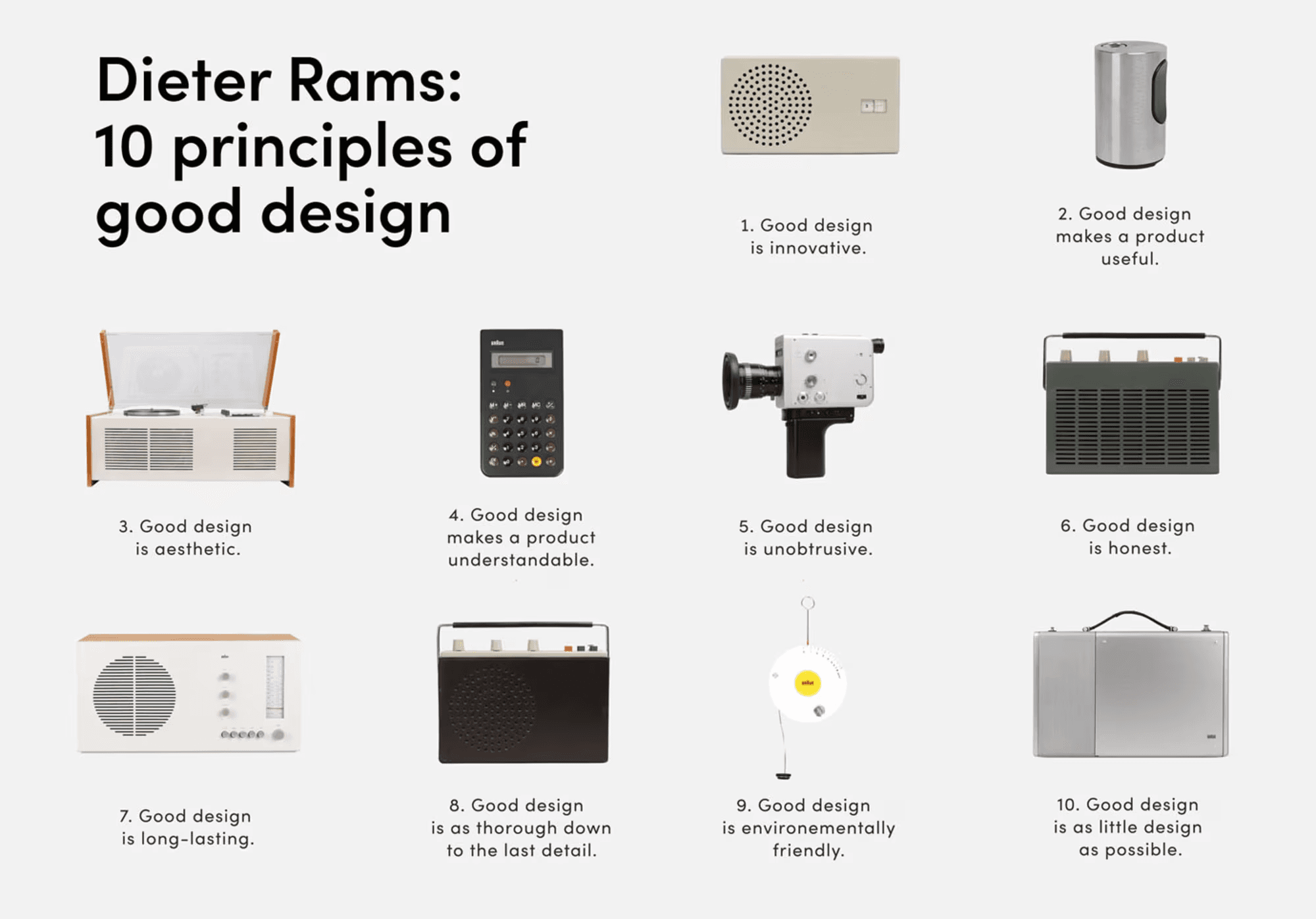
Managing Information Density
One of the biggest challenges in Enterprise design is handling complex data without overwhelming the user. Whether you are building a Fintech dashboard or a Logistics management tool, the goal is Progressive Disclosure.
High-Level Overview: Give the user the "health" of their system at a glance.
Contextual Actions: Don't show every button at once. Show what they need, when they need it.
Drill-Down Logic: Ensure that moving from a summary to a detailed report feels like a natural extension of the workflow, not a jump to a new app.
Building for the Power User
SaaS products live or die by their retention. While onboarding a new user is important, designing for the person who uses the tool 8 hours a day is what builds a sustainable business.
Power users value shortcuts, keyboard navigation, and predictable patterns. When we design at Plexable, we prioritize these functional elements over decorative ones. We build for efficiency because, in a professional environment, time is the most valuable resource.
Functional Minimalism
Minimalism in product design is often misunderstood as "empty space." Real minimalism is Functional Minimalism—ensuring every pixel on the screen has a documented reason for being there.
If it doesn’t help the user make a decision, remove it.
If it slows down the system’s performance, rethink it.
If it’s there just for "branding," simplify it.
Scale is the Ultimate Test
A design that works for 10 users might break at 10,000. Scaling a product requires a design system that is rigid enough to maintain consistency but flexible enough to evolve.
Whether you are building a new MVP or fixing a legacy Enterprise system, the focus must remain on the logic of the user’s journey. Good design is invisible; it simply allows the user to do their job and get out of the way.
Share this
Did you like the article?